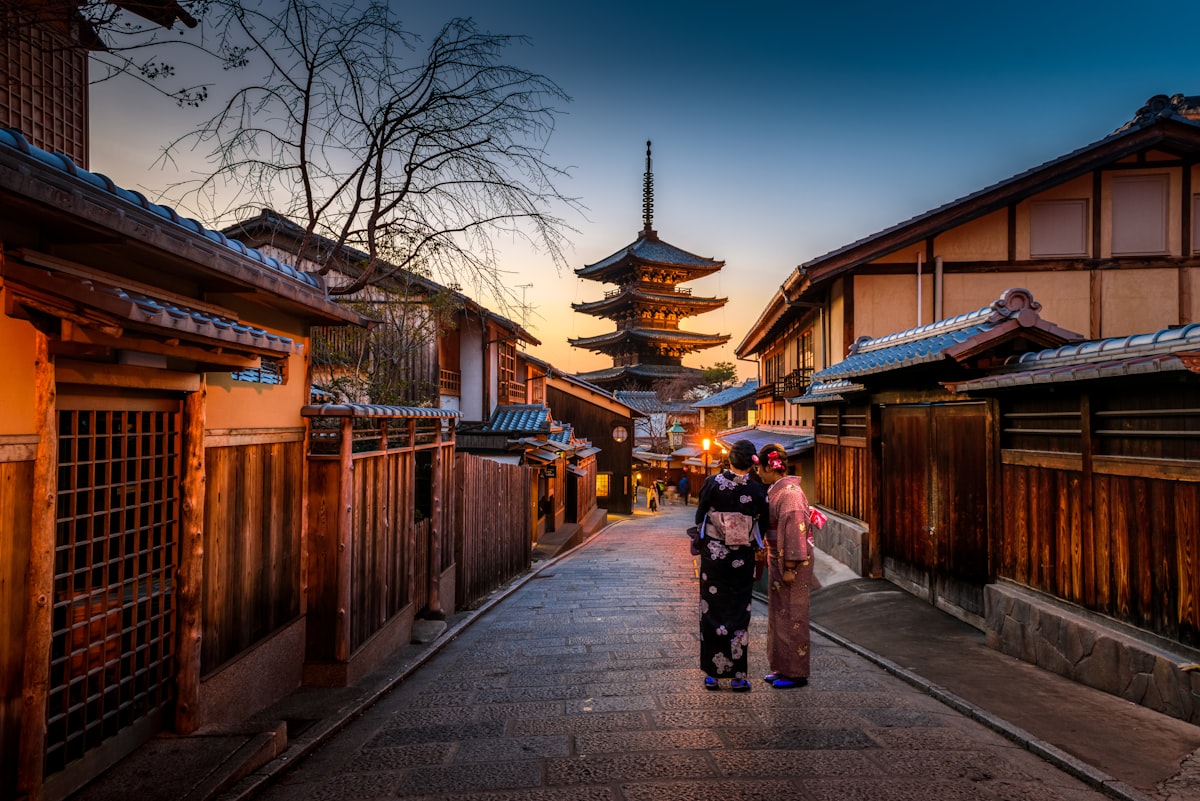
No country on earth is more obsessed with seasons than Japan. The Japanese word for “the sense of the season” — kisetsu-kan (季節感) — has no direct translation in English. It describes the deep awareness of seasonal change that permeates every aspect of Japanese life: food, art, fashion, greetings, festivals, and even business.
Understanding this is the single most important insight for planning your trip to Japan.
Why Seasons Matter So Much
Historical Roots
Japan’s agricultural society depended on precise awareness of seasonal change. The traditional calendar had 72 micro-seasons (七十二候), each lasting about 5 days, with names like “Plum blossoms begin to bloom” and “Hawks learn to hunt.”
Daily Life Today
Even in modern Japan, seasons shape everything:
- Greetings change by season — letters begin with seasonal references
- Department stores change their displays monthly
- Convenience stores rotate seasonal products every few weeks
- Fashion follows strict seasonal rules — no white shoes after September
- Restaurant menus change completely each season
Spring (春 — Haru): March-May
The Feeling
Renewal, anticipation, beauty. Spring in Japan is electric — the entire country watches the sakura forecast like other countries watch sports.
Cherry Blossoms (桜 — Sakura)
The defining experience of Japanese spring. The sakura front (桜前線) moves north from Kyushu to Hokkaido over 8 weeks:
| Region | Peak Bloom |
|---|---|
| Okinawa | Late January-February |
| Kyushu | Late March |
| Kansai (Kyoto/Osaka) | Early April |
| Tokyo | Late March-Early April |
| Tohoku | Mid-Late April |
| Hokkaido | Early-Mid May |
Hanami (花見) — flower viewing picnics — are the social event of the year. Spread a tarp, bring food and drinks, and celebrate under the blossoms. This is not passive sightseeing — it is active celebration.
Other Spring Highlights
- Plum blossoms (梅) — February-March, before sakura
- Wisteria (藤) — Late April-May, Ashikaga Flower Park is spectacular
- Nemophila (ネモフィラ) — Late April-May, Hitachi Seaside Park covers a hillside in blue
- Fresh bamboo shoots, strawberries, and spring greens appear in every meal
Summer (夏 — Natsu): June-August
The Feeling
Intense, festive, alive. Summer is brutal heat paired with Japan’s most energetic festivals.
Rainy Season (梅雨 — Tsuyu)
Mid-June to mid-July. Constant drizzle, high humidity. Not ideal for sightseeing but:
- Hydrangeas bloom beautifully in the rain (Kamakura, Hakone)
- Tourist crowds thin significantly
- Hokkaido skips rainy season entirely — perfect June weather
Summer Highlights
- Fireworks festivals (花火大会) — July-August, enormous displays nationwide
- Bon Odori — Community dance festivals at local temples
- Matsuri — Gion (Kyoto), Nebuta (Aomori), Tanabata (Sendai)
- Fireflies (蛍 — hotaru) — Late June, seen at rivers and forests outside cities
- Kakigori (かき氷) — Shaved ice with syrups, the essential summer treat
- Beer gardens open on department store rooftops
Summer Food
- Unagi (eel) — Eaten on the hottest day for energy
- Cold soba and somen noodles
- Watermelon (スイカ) — Eaten at the beach, sometimes used in a blindfolded game (suikawari)
- Edamame and cold beer — The quintessential summer combination
Autumn (秋 — Aki): September-November
The Feeling
Melancholy beauty, cultural richness. Many Japanese people consider autumn Japan’s most beautiful season.
Autumn Leaves (紅葉 — Koyo)
Japan’s “second cherry blossom season.” The koyo front moves south (opposite of sakura):
| Region | Peak Color |
|---|---|
| Hokkaido (Daisetsuzan) | Late September |
| Tohoku | Mid-Late October |
| Tokyo/Nikko | Mid-Late November |
| Kyoto | Mid-Late November |
| Kyushu | Late November-Early December |
Best koyo experiences:
- Kyoto temples at night (illuminated maples reflected in ponds)
- Nikko’s Kegon Falls framed by red mountains
- Kawaguchiko with Mt. Fuji and autumn trees reflected in the lake
Other Autumn Highlights
- Harvest festivals — Sake tasting events, rice harvest celebrations
- Moon viewing (お月見 — Otsukimi) — Eating dango while watching the full moon
- Chrysanthemum exhibitions — November, at shrines and parks
- Seven-Five-Three (七五三) — Children in kimono at shrines, adorable
Autumn Food
- Matsutake mushrooms — Rare, expensive, intensely aromatic
- Sanma (秋刀魚) — Pacific saury grilled with salt, the taste of autumn
- Kuri (栗) — Chestnuts in everything: rice, sweets, desserts
- Persimmons (柿) — Sweet, orange, everywhere
- New rice (新米) — Freshly harvested rice is noticeably sweeter
Winter (冬 — Fuyu): December-February
The Feeling
Quiet, introspective, cozy. Winter Japan is about warmth against the cold — hot springs, nabe (hot pot), illuminations, and the deep satisfaction of a heated kotatsu table.
Winter Highlights
- Illuminations — LED light displays across every major city (November-February)
- Sapporo Snow Festival — Massive snow sculptures (early February)
- Onsen — Hot springs are best in winter when cold air meets hot water
- Skiing/Snowboarding — Hokkaido and Nagano have world-class powder snow
- New Year (正月) — Japan’s most important holiday. Temple bells, shrine visits, special food
Winter Food
- Nabe (鍋) — Hot pot cooked at the table. Dozens of regional varieties
- Oden — Simmered fish cakes, daikon, eggs in dashi broth
- Mikan (みかん) — Mandarin oranges, eaten under a kotatsu blanket
- Fugu (ふぐ) — Pufferfish, a winter delicacy (yes, the poisonous one — professionally prepared, it is safe)
- Amazake (甘酒) — Sweet fermented rice drink, served warm at shrines
The Concept of Mono no Aware (物の哀れ)
The Japanese appreciation of seasons is connected to mono no aware — the bittersweet awareness of impermanence. Cherry blossoms are beautiful because they fall. Autumn leaves are moving because they change and drop. Snow is magical because it melts.
This philosophy shapes the entire Japanese aesthetic: beauty is inseparable from transience. When you watch cherry blossoms scatter in the wind, you are participating in a 1,000-year-old cultural contemplation of the nature of existence.
This is not just tourism. This is Japan inviting you into its deepest cultural conversation.
When Should You Visit?
| Priority | Months | Why |
|---|---|---|
| First visit | March-May or Oct-Nov | Best weather, cherry blossoms or autumn leaves |
| Budget | Jan-Feb (not Hokkaido) | Cheapest flights/hotels, fewer tourists |
| Unique experience | Late June | Rainy season hydrangeas + fireflies |
| Festivals | July-August | Biggest matsuri, but extreme heat |
| Winter magic | December-February | Illuminations, onsen, snow festivals |
| Avoid | Golden Week (Apr 29-May 5) | Everything is booked and crowded |
There is no bad time to visit Japan. There is only the question of which Japan you want to experience.