Japan has more festivals (matsuri) than any country on earth. Every shrine, every temple, every neighborhood has its own celebration. Some are tiny local affairs with a portable shrine carried through residential streets. Others draw millions of visitors from around the world. This guide covers the events worth planning your trip around.
January
Hatsumode (初詣) — New Year Shrine Visit
When: January 1-3 Where: Every shrine in Japan
The entire country visits shrines in the first three days of the new year. Meiji Shrine in Tokyo sees 3 million visitors. Fushimi Inari in Kyoto gets 2.7 million. The atmosphere is festive — food stalls, warm amazake (sweet rice drink), and the sound of shrine bells.
Experience it: Go to any local shrine on January 1st for a more intimate experience, or brave the crowds at a major shrine for the spectacle.
Sapporo Snow Festival (さっぽろ雪まつり)
When: Early February (preparation starts in January) Where: Odori Park, Susukino, Sapporo
Massive snow and ice sculptures — some the size of buildings — fill Sapporo’s main park for a week. Night illuminations make the sculptures glow. Over 2 million visitors attend annually.
Tip: Book Sapporo hotels 3+ months in advance. Prices triple during the festival.
February
Setsubun (節分) — Bean Throwing
When: February 3 Where: Temples nationwide
People throw roasted soybeans while shouting “Oni wa soto! Fuku wa uchi!” (Demons out! Fortune in!). Major temples invite celebrities and sumo wrestlers to throw beans from the stage. Surprisingly fun.
Plum Blossom Viewing (梅)
When: Mid-February to March Where: Kairakuen (Mito), Kitano Tenmangu (Kyoto), Yushima Tenjin (Tokyo)
Before cherry blossoms, Japan celebrates plum blossoms. Smaller flowers, stronger fragrance, fewer tourists. Kairakuen in Mito (Ibaraki) is one of Japan’s three great gardens and has 3,000 plum trees.
March — April
Cherry Blossom Season (桜 — Sakura)
When: Late March (Kyushu) to mid-May (Hokkaido) Where: Everywhere in Japan
Japan’s most famous natural event. The entire country tracks the “sakura front” (桜前線) as it moves north. Peak bloom (mankai) lasts only about one week in each location.
Best Spots:
- Tokyo: Ueno Park, Chidorigafuchi, Meguro River, Shinjuku Gyoen
- Kyoto: Philosopher’s Path, Maruyama Park, Arashiyama
- Osaka: Osaka Castle Park
- Yoshino (Nara): 30,000 cherry trees covering an entire mountain
Hanami (花見): Cherry blossom viewing picnics. Spread a blue tarp under the trees, bring food and drinks from the convenience store, and enjoy. Japanese people do this with friends, family, and coworkers. Tourists are welcome to join the tradition.
Yozakura (夜桜): Night cherry blossoms. Many parks light up the trees at night, creating a magical atmosphere. Chidorigafuchi in Tokyo is spectacular at night.
May
Golden Week (ゴールデンウィーク)
When: April 29 — May 5 Where: Nationwide
A cluster of national holidays that creates Japan’s longest vacation period. The entire country travels. Trains are packed, hotels are full, tourist sites are crowded.
Warning: If your trip falls during Golden Week, book everything months in advance. Or better yet, avoid this week unless you specifically want to experience Japan at its most festive and chaotic.
Sanja Matsuri (三社祭)
When: Third weekend of May Where: Asakusa, Tokyo
Tokyo’s biggest and wildest festival. Over 100 portable shrines (mikoshi) are carried through the streets of Asakusa by teams of shouting, sake-fueled participants. The energy is electric. About 2 million spectators attend over three days.
Kanda Matsuri (神田祭)
When: Mid-May (odd years only) Where: Kanda, Tokyo
One of Tokyo’s three great festivals. Elaborate portable shrines are paraded through the streets around Kanda Myojin Shrine. Held only in odd-numbered years.
June
Hydrangea Season (紫陽花 — Ajisai)
When: June Where: Kamakura (Meigetsu-in, Hase-dera), Hakone, Kyoto
While June brings rain, it also brings stunning hydrangea blooms. Meigetsu-in in Kamakura is called the “Hydrangea Temple” — the approach path is lined with thousands of blue flowers.
July
Gion Matsuri (祇園祭)
When: Entire month of July (main events July 17 and 24) Where: Kyoto
Japan’s most famous festival. Giant decorated floats (yamahoko) are pulled through Kyoto’s streets on July 17. The evenings before (yoiyama, July 14-16) are equally atmospheric — streets are closed to traffic, traditional music fills the air, and locals wear yukata.
Must-see: The float procession on July 17 and the evening street festival on July 15-16.
Tenjin Matsuri (天神祭)
When: July 24-25 Where: Osaka
One of Japan’s three great festivals. The highlight is a boat procession on the Okawa River with 100+ illuminated boats and a massive fireworks display. The combination of floating lanterns, fireworks reflected in the river, and traditional music is unforgettable.
Fireworks Festivals (花火大会)
When: July-August Where: Nationwide
Japan takes fireworks seriously. Major displays launch 10,000-20,000 shells. The Sumida River Fireworks (Tokyo, late July) and Nagaoka Fireworks (Niigata, August 2-3) are among the most spectacular.
Culture note: Japanese people wear yukata (summer kimono) to fireworks festivals and bring picnic mats. Vendors sell kakigori (shaved ice), yakisoba, and beer.
August
Obon (お盆)
When: August 13-16 (some regions celebrate in July) Where: Nationwide
Japan’s festival of the dead. Families return to their hometowns to honor ancestors. Cities empty out, rural areas come alive. This is when Japan feels most traditionally Japanese.
Events during Obon:
- Bon Odori (盆踊り): Community dance festivals at local parks and temples. Anyone can join the circle dance
- Toro Nagashi (灯籠流し): Paper lanterns floated on rivers and the sea to guide spirits. Beautiful at dusk
- Gozan Okuribi (五山送り火): Five massive bonfires on Kyoto’s surrounding mountains on August 16. The most famous is the “大” (dai) character on Mt. Daimonji
Sendai Tanabata (仙台七夕まつり)
When: August 6-8 Where: Sendai
Over 3,000 handmade streamers (each 3-5 meters long) hang from bamboo poles throughout Sendai’s shopping arcades. Each streamer is an artwork. The craftsmanship and color are extraordinary.
Awa Odori (阿波おどり)
When: August 12-15 Where: Tokushima
Japan’s largest dance festival. Over 100,000 dancers perform a traditional dance through the streets while 1.3 million spectators watch. The chant goes: “It’s a fool who dances and a fool who watches. If both are fools, you might as well dance!”
September — October
Autumn Equinox (秋分の日)
When: September 23 Where: Nationwide
Families visit ancestral graves and enjoy ohagi (sweet rice cakes with red bean paste).
Autumn Leaves (紅葉 — Koyo)
When: Late September (Hokkaido) to early December (Kyushu) Where: Everywhere
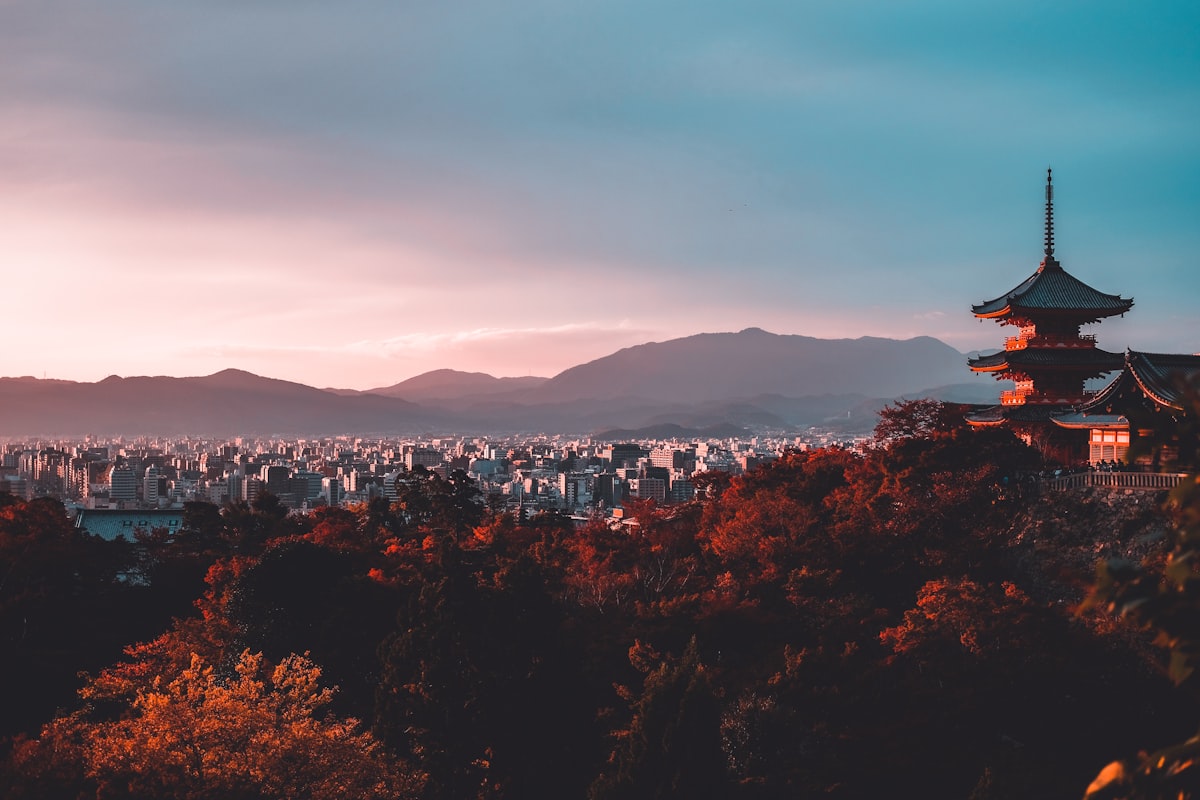
Japan’s “second cherry blossom season.” Maple trees turn brilliant red, ginkgo trees turn golden yellow, and the entire country is painted in warm colors.
Best Spots:
- Nikko: Kegon Falls framed by red maples. Spectacular
- Kyoto: Tofukuji, Eikando, Kiyomizudera. Many temples offer night illuminations
- Hokkaido: Daisetsuzan National Park starts changing in late September — earliest in Japan
- Kawaguchiko: Autumn leaves with Mt. Fuji reflected in the lake
November
Shichi-Go-San (七五三)
When: November 15 (celebrated throughout November) Where: Shrines nationwide
Children aged 3, 5, and 7 are dressed in traditional kimono and taken to shrines. Adorable photo opportunities. Meiji Shrine and Hie Shrine in Tokyo are popular spots.
Autumn Illuminations
When: Late November — December Where: Temples throughout Kyoto, parks nationwide
Many Kyoto temples (Kiyomizudera, Kodaiji, Eikando) illuminate their autumn leaves at night. The reflection of lit-up maples in temple ponds is one of Japan’s most beautiful sights.
December
Christmas Illuminations
When: November — February Where: Major cities nationwide
Japan embraces Christmas illuminations with spectacular LED displays. Not religious — just beautiful.
Best Displays:
- Kobe Luminarie — Elaborate European-style light arches
- Sendai Pageant of Starlight — 600,000 lights on Jozenji-dori
- Tokyo Midtown / Roppongi — Elegant blue-white illuminations
- Nabana no Sato (Mie) — Japan’s largest illumination with millions of LEDs
New Year Preparations (年末)
When: December 28-31 Where: Nationwide
The country prepares for the most important holiday. Shops sell osechi (New Year food boxes), temples prepare for hatsumode, and the atmosphere is one of anticipation. On December 31, temple bells ring 108 times at midnight (joya no kane).
Planning Tips
- Check exact dates each year — many festival dates shift based on the calendar
- Book accommodation early for major festivals (Gion, Sapporo Snow, cherry blossom season)
- Arrive early for popular events — best viewing spots fill up hours before the main event
- Wear yukata to summer festivals if you can — many hotels and shops rent them
- Bring cash — festival food stalls rarely accept credit cards