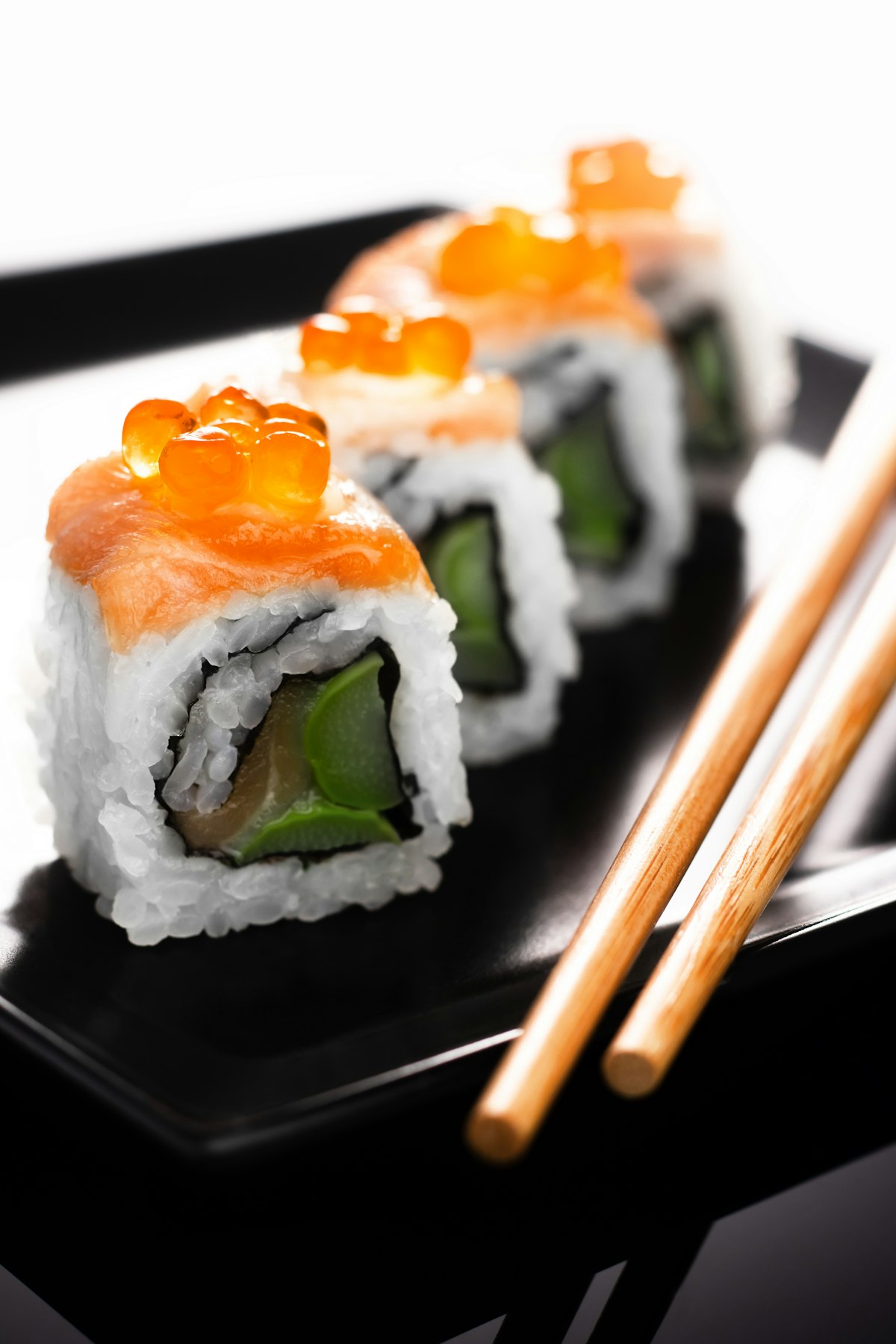
Japanese food culture is not just about what you eat — it is about how you eat, when you eat, and why each detail matters. Understanding these customs transforms eating in Japan from simple consumption into a cultural experience that you will carry with you long after you leave.
The Philosophy of Japanese Food
Itadakimasu (いただきます)
Said before every meal, palms pressed together. It literally means “I humbly receive.” This is not a prayer — it is gratitude to everyone and everything involved: the farmers, the fishermen, the cook, the ingredients themselves. Say it. Mean it.
Gochisousama (ごちそうさまでした)
Said after every meal. It means “It was a feast.” Even if you ate a ¥300 onigiri from a convenience store, you say gochisousama to acknowledge the effort behind your food.
Shun (旬) — Seasonality
Japanese cuisine is obsessed with eating ingredients at their peak season:
- Spring: Bamboo shoots, cherry blossom mochi, strawberries
- Summer: Cold soba, unagi (eel), watermelon, kakigori (shaved ice)
- Autumn: Matsutake mushrooms, sanma (Pacific saury), chestnuts, persimmons
- Winter: Nabe (hot pot), mikan (mandarin oranges), fugu (pufferfish), oden
Restaurants change their menus seasonally. What you eat in January will be completely different from August. This is intentional — nature dictates the menu.
Mottainai (もったいない) — No Waste
Wasting food is deeply frowned upon in Japan. This means:
- Order only what you can eat — do not over-order
- Finish your rice — leaving rice is particularly disrespectful
- Take leftovers if offered — some restaurants provide takeaway containers
- Buffets: Take small portions and go back for more
Chopstick Rules (箸のマナー)
Never Do These
| Action | Japanese Name | Why It’s Offensive |
|---|---|---|
| Stick chopsticks upright in rice | 立て箸 (tatebashi) | Resembles funeral incense — associated with death |
| Pass food chopstick-to-chopstick | 拾い箸 (hiroibashi) | Resembles a funeral bone-passing ritual |
| Point at someone with chopsticks | 指し箸 (sashibashi) | Rude, like pointing with a finger |
| Hover over dishes deciding | 迷い箸 (mayoibashi) | Shows indecisiveness |
| Lick chopsticks | ねぶり箸 (neburibashi) | Simply unsanitary |
| Stab food with chopsticks | 刺し箸 (sashibashi) | Chopsticks are not forks |
Acceptable Practices
- Resting chopsticks on the chopstick rest (箸置き) when not eating
- Turning chopsticks around to use the thick end when taking food from a shared plate
- Picking up small items with one chopstick in each hand if struggling (better than dropping food)
Restaurant Etiquette
Entering
- Wait to be seated — Do not sit down until directed
- Oshibori (hot/cold wet towel) will be given — use it to clean your hands, not your face
- “Irasshaimase!” — Staff will shout this welcome greeting. You do not need to respond
Ordering
- Many restaurants have plastic food displays (サンプル) in the window — point at what you want
- Ticket machines (食券機) at ramen and gyudon shops — insert money, press your choice
- Set meals (定食 — teishoku) are the best value — rice, main dish, soup, and sides
During the Meal
- Slurping noodles is correct — it cools them and is considered a compliment to the chef
- Lift soup bowls to your mouth — do not use a spoon for miso soup
- Rice bowls are also lifted — hold in your left hand while eating with chopsticks in your right
- Do not pour soy sauce on rice — dip the fish/food into soy sauce instead
Paying
- No tipping — Never tip in Japan. It can be confusing or even offensive
- Pay at the register near the exit, not at your table (unless they bring a check)
- “Okaikei onegai shimasu” — “The check, please” (if paying at the table)
- Cash is still common — many restaurants do not accept credit cards
- Tray payment — Place money on the small tray, do not hand it directly
Leaving
- Say “Gochisousama deshita” — staff genuinely appreciate it
Drinking Etiquette
Beer
- Never pour your own in a group setting — pour for others, and they will pour for you
- Hold the glass with both hands when someone pours for you
- Kanpai! before the first sip — wait for everyone
Sake
- Same pouring rules as beer
- Ochoko (small cups) are traditional — the small size means frequent refilling, which creates conversation and connection
- Cold sake (冷酒) is often better quality than warm
- Warm sake (熱燗) is for casual drinking in winter
Tea
- Green tea is free at most restaurants — never charged
- Hold the teacup with your right hand, support the bottom with your left
- Tea ceremony rules are complex — if attending one, the host will guide you
Regional Food Culture
Japan’s food varies dramatically by region:
| Region | Signature Food | Philosophy |
|---|---|---|
| Tokyo | Edomae sushi, monjayaki | Refined, ingredient-focused |
| Osaka | Takoyaki, okonomiyaki, kushikatsu | Bold, street-food culture, “eat till you drop” |
| Kyoto | Kaiseki, yudofu, obanzai | Subtle, seasonal, vegetable-forward |
| Hokkaido | Soup curry, seafood, dairy | Fresh, hearty, Russian-influenced |
| Fukuoka | Tonkotsu ramen, mentaiko, yatai | Rich, intense, street-stall culture |
| Hiroshima | Layered okonomiyaki, oysters | Unique local style, seafood-rich |
| Okinawa | Goya champuru, soki soba, taco rice | Tropical, American-influenced, pork-heavy |
Osaka vs. Kyoto: The Food Rivalry
Osaka calls itself “Japan’s Kitchen” (天下の台所). The city’s motto is “kuidaore” (食い倒れ) — “eat until you collapse.” Food in Osaka is bold, generous, and social.
Kyoto’s food is the opposite — subtle, refined, and deeply seasonal. Kaiseki cuisine (multi-course haute cuisine) was born here. Where Osaka celebrates excess, Kyoto celebrates restraint.
Both are essential food destinations. Eat differently in each.
Convenience Store Food Culture
Japan’s convenience stores (konbini) deserve their own cultural analysis:
- Quality rivals restaurants — onigiri, sandwiches, and hot foods are genuinely excellent
- Changes constantly — new products appear weekly, seasonal items are limited-edition
- A complete meal solution — breakfast, lunch, dinner, snacks, and drinks 24/7
- Regional variations — each region’s 7-Eleven/Lawson/FamilyMart stocks local specialties
The Meal Structure
Traditional Japanese Meal (一汁三菜 — Ichiju-Sansai)
The classical structure: one soup, three side dishes, plus rice and pickles.
- Rice (ご飯) — The center of the meal
- Soup (汁物) — Usually miso soup
- Main dish (主菜) — Fish, meat, or tofu
- Two side dishes (副菜) — Vegetables, pickles, small preparations
- Pickles (漬物) — Always present
Placement
In a traditional setting, rice goes on your left, soup on your right, main dish in the back center, sides to the sides. This placement has remained unchanged for centuries.
Food as Gift Culture
Omiyage (お土産) — bringing food souvenirs from your travels — is a deeply embedded social obligation in Japan. When Japanese people travel, they bring back local sweets or snacks for their colleagues, friends, and neighbors.
This is why every train station, airport, and tourist area has elaborate gift food shops. The packaging is as important as the contents — beautiful wrapping shows care and respect for the recipient.
As a tourist, buying omiyage to bring home is participating in this beautiful tradition.