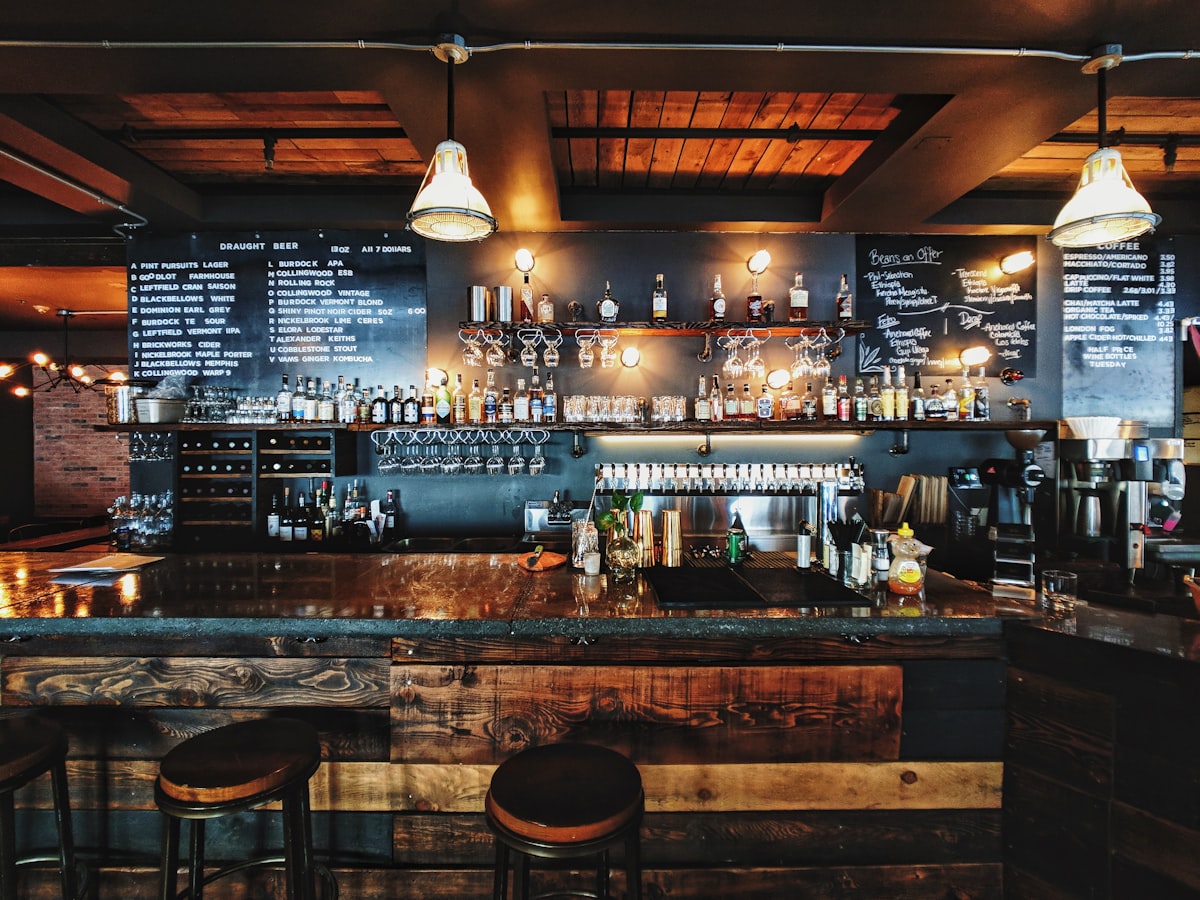
Ask a foreigner about Japanese alcohol and they say sake. Ask a Japanese person what they drink and there is a good chance they say shochu. Shochu (焼酎) outsells sake in Japan and has for decades. It is a distilled spirit (25-35% alcohol) made from sweet potatoes, barley, rice, or other ingredients — and it is completely different from anything you have tried before.
Sake vs. Shochu — The Quick Difference
| Sake (日本酒) | Shochu (焼酎) | |
|---|---|---|
| Process | Brewed (like beer) | Distilled (like whisky) |
| Alcohol | 14-17% | 25-35% |
| Base ingredient | Always rice | Sweet potato, barley, rice, etc. |
| Region | Nationwide (especially Niigata, Kyoto) | Southern Japan (Kyushu, Okinawa) |
| Serving | Cold, warm, or room temp | On the rocks, with water, mixed |
| Calories | Higher (sugar remains) | Lower (sugar is removed in distillation) |
The Four Main Types
Imo-jochu (芋焼酎) — Sweet Potato Shochu
Region: Kagoshima, Miyazaki Flavor: Rich, earthy, sweet, aromatic. The most distinctive and polarizing type. Aroma: Strong — some describe it as “funky” or “rustic.” Lovers are devoted; newcomers may need time Best served: On the rocks (ロック) or mixed with hot water (お湯割り — oyuwari) Famous brands: Satsuma Shiranami, Kuro Kirishima, Mao (extremely rare and expensive)
Kagoshima is to imo-jochu what Bordeaux is to wine. The volcanic soil grows the best sweet potatoes, and the local water is soft and pure. Over 100 distilleries operate in Kagoshima Prefecture alone.
Mugi-jochu (麦焼酎) — Barley Shochu
Region: Oita Prefecture (especially Hita city) Flavor: Light, clean, smooth. The most approachable type for beginners Aroma: Mild — grain notes, slightly nutty Best served: Mizuwari (水割り — with cold water) or on the rocks Famous brands: Iichiko, Nikaido, Nostalgia
Best for beginners. Mugi-jochu is gentle and easy to drink. If you are trying shochu for the first time, start here.
Kome-jochu (米焼酎) — Rice Shochu
Region: Kumamoto Prefecture (especially Hitoyoshi/Kuma area) Flavor: Smooth, slightly sweet, elegant. Closest to sake in some ways Aroma: Gentle, rice-forward, sometimes floral Best served: Straight (ストレート) or on the rocks Famous brands: Hakutake Shiro, Torikai, Taru-zake (barrel-aged varieties)
The Kuma/Hitoyoshi region is designated as a geographical indication for rice shochu — like Champagne for sparkling wine. “Kuma Shochu” is a protected brand.
Kokuto-jochu (黒糖焼酎) — Brown Sugar Shochu
Region: Amami Islands (between Kyushu and Okinawa) Flavor: Sweet, smooth, rum-like. The most unique type Aroma: Caramel, brown sugar, tropical Best served: On the rocks or with soda (ソーダ割り) Famous brands: Jougo, Retto, Amami no Meigetsu
Legally, kokuto-jochu can only be made in the Amami Islands. It uses brown sugar from local sugarcane — giving it a Caribbean quality that surprises everyone.
Awamori (泡盛) — Okinawa’s Spirit
Technically a separate category from shochu, but closely related. Made from Thai-style long-grain rice using black koji mold.
- Alcohol: 25-43%
- Flavor: Strong, distinctive, pairs perfectly with Okinawan food
- Aged versions (kusu 古酒): Aged 3-25+ years in clay pots. Incredibly smooth
- Famous brands: Zanpa, Zuisen, Kumesen
How to Drink Shochu
The Five Ways
1. Straight (ストレート) Pour into a small glass and sip slowly. Best for premium shochu.
2. On the Rocks (ロック) Over ice in a short glass. The most common method. Ice slowly dilutes and opens up flavors.
3. Mizuwari (水割り — With Cold Water) Shochu + cold water (typically 6:4 ratio). Light, refreshing, easy to drink through a long meal.
4. Oyuwari (お湯割り — With Hot Water) Shochu + hot water (typically 6:4 ratio). Pour hot water first, then shochu (this maintains temperature and releases aroma). The winter classic. Best with imo-jochu.
5. Soda-wari (ソーダ割り — Highball) Shochu + soda water. Light, fizzy, refreshing. The most popular way for young Japanese drinkers. Called “chuhai” (チューハイ) when pre-mixed or at izakaya.
Chuhai (チューハイ) — The Casual Version
Shochu highballs flavored with lemon, grapefruit, plum, or other fruits. Available:
- At izakaya: Made fresh, ¥300-500
- In cans: 7-Eleven, Lawson, etc. ¥150-200. Brands: Strong Zero, Horoyoi, Kirin Hyoketsu
- Warning: “Strong” chuhai (9% alcohol) is dangerously easy to drink
Ordering at Izakaya
How to order:
- “Imo-jochu, rokku de” (芋焼酎、ロックで) — Sweet potato shochu on the rocks
- “Mugi-jochu, mizuwari de” (麦焼酎、水割りで) — Barley shochu with water
- “Chuhai, lemon de” (チューハイ、レモンで) — Lemon chuhai
Pricing:
- House shochu: ¥400-500/glass
- Premium shochu: ¥600-1,200/glass
- Chuhai: ¥300-500/glass
- Bottle keep (ボトルキープ): ¥2,000-5,000 — buy a whole bottle, they keep it for your next visit
Distillery Visits
Kagoshima — Sweet Potato Shochu Capital
- Satsuma Shuzo — Tours and tasting in the Kagoshima countryside
- Kirishima Shuzo — One of the largest producers. Visitor center in Miyazaki
- Hombo Shuzo — Also makes whisky. Beautiful facility near Kagoshima
Oita — Barley Shochu Country
- Iichiko Distillery (Hita) — Modern facility with tastings
- Sanwa Shurui — Producer of Iichiko, Japan’s best-selling mugi-jochu
Kumamoto — Rice Shochu Heartland
- Hitoyoshi/Kuma region — 28 distilleries in a small area. Walking tours available
- Takahashi Shuzo — Produces the famous Hakutake Shiro
Amami — Brown Sugar Paradise
- Amami Oshima Island — Several distilleries offer tours
- Visit sugarcane fields and see the traditional pot-distillation process
Shochu vs. Japanese Whisky
Japanese whisky gets all the international attention. Shochu gets none. This is changing:
- Shochu is more diverse — Sweet potato, barley, rice, brown sugar, buckwheat, chestnut, and more base ingredients
- Shochu is more food-friendly — Lower alcohol and less aggressive flavors make it a better dinner companion
- Shochu is affordable — A quality bottle costs ¥1,500-3,000. Japanese whisky bottles start at ¥5,000+
- Shochu is available — Japanese whisky faces constant shortages. Shochu is abundant
Buying Shochu to Take Home
- Kagoshima Airport has the best shochu selection of any airport in Japan
- Department store liquor sections — Curated selection with tasting options
- Don Quijote — Budget-friendly selection, tax-free
- Price guide: ¥1,000-2,000 for a good 720ml bottle. ¥3,000-5,000 for premium
- Weight warning: Glass bottles are heavy. Consider buying 2-3 instead of 10