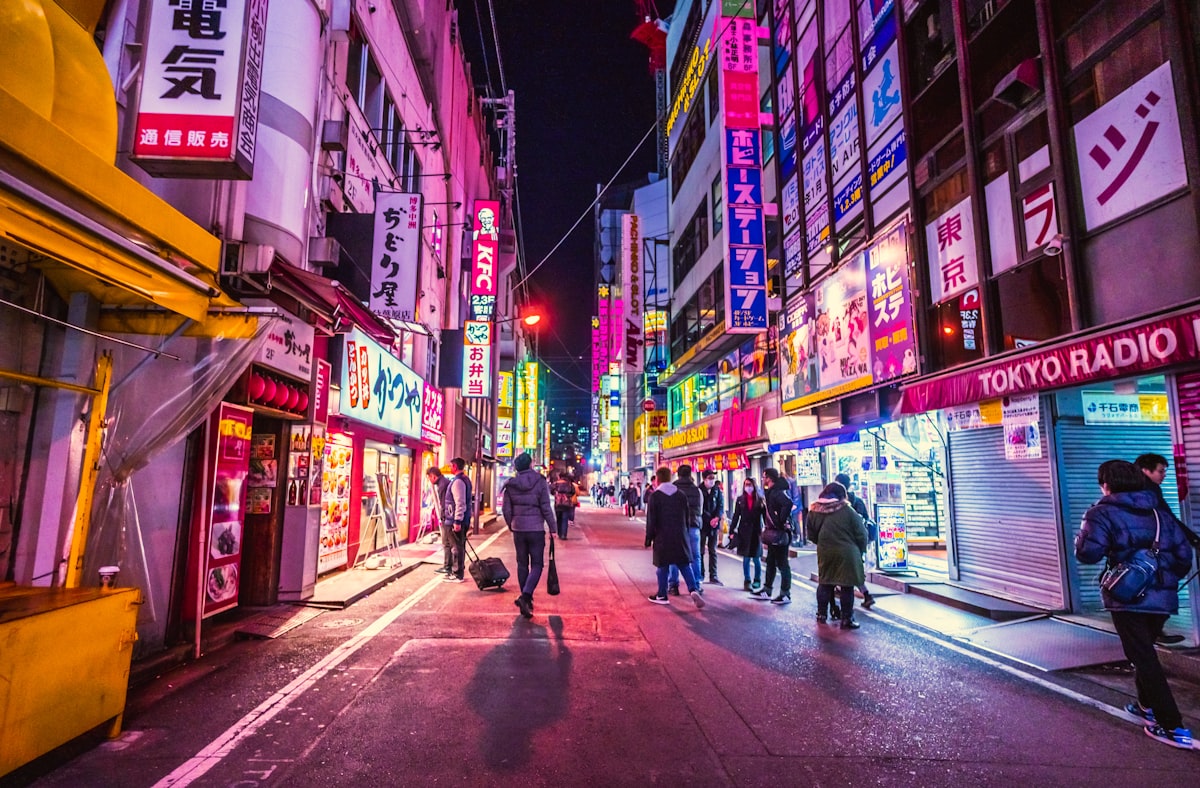
Sendai is the largest city in Tohoku (northern Honshu) and one of the most underrated destinations in Japan. Most foreign tourists skip it entirely, rushing between Tokyo and Kyoto. That is a mistake. Sendai offers incredible food, genuine local culture, and easy access to Matsushima — one of Japan’s three most celebrated scenic views.
Why Sendai?
- 90 minutes from Tokyo by Shinkansen (covered by JR Pass)
- Gyutan (beef tongue) — Sendai’s signature dish, unlike anything else in Japan
- Matsushima Bay — 260 pine-covered islands dotting the Pacific coast
- Date Masamune — The one-eyed samurai lord who built the city
- Far fewer tourists than Kyoto, Osaka, or even Nikko
Getting There
| Route | Train | Time | Cost |
|---|---|---|---|
| Tokyo → Sendai | Tohoku Shinkansen (Hayabusa) | 90 min | ¥11,410 |
| Tokyo → Sendai | Tohoku Shinkansen (Yamabiko) | 2h 10min | ¥11,090 |
| Sendai → Matsushima-Kaigan | JR Senseki Line | 40 min | ¥420 |
All covered by JR Pass. The Hayabusa is the fastest but requires a seat reservation.
Day 1: Sendai
Morning: Zuihoden & Date Masamune
Zuihoden Mausoleum (¥570) The mausoleum of Date Masamune, the powerful feudal lord who founded Sendai in 1601. Known as the “One-Eyed Dragon” after losing his right eye to smallpox as a child, Masamune was one of Japan’s most fascinating historical figures. The mausoleum is ornately decorated in black and gold lacquer.
20 minutes by bus from Sendai Station. Take the Loople Sendai bus (¥260 single, ¥630 day pass).
Sendai Castle Ruins (Aoba Castle) The castle no longer stands, but the hilltop site offers panoramic views of the entire city. A bronze statue of Date Masamune on horseback is the most photographed spot. The Aoba Castle Museum (¥700) has excellent exhibits.
Lunch: Gyutan (Beef Tongue)
Gyutan is Sendai’s soul food. Thick-cut beef tongue, grilled over charcoal, served with barley rice, tail soup, and pickled vegetables. The texture is tender and the flavor is smoky and rich.
Where to eat:
- Rikyu (利久) — The most famous chain. Multiple locations including Sendai Station. Reliable quality. Set meal ¥1,600-2,200
- Kisuke (喜助) — The original gyutan restaurant (since 1948). Slightly more traditional style. Set meal ¥1,700-2,500
- Date no Gyutan (伊達の牛たん) — Known for extra-thick cuts. Station location for convenience. Set meal ¥1,800-2,500
Order tip: “Gyutan teishoku” (beef tongue set meal) is the standard order. Choose “shio” (salt) or “miso” flavor. Salt is more traditional and lets you taste the meat.
Afternoon: Jozenji-dori & Shopping
Jozenji-dori Avenue Sendai’s most beautiful street — a tree-lined boulevard with zelkova trees forming a green tunnel in summer. Walk the entire length (about 15 minutes). Street musicians often play here on weekends.
Clis Road & Marble Road Covered shopping arcades (shotengai) near the station. These are among the longest in Japan, stretching for several city blocks. Local shops, cafes, and department stores.
S-PAL & Sendai Station The station itself is a shopping destination. The basement floor has exceptional food halls (depachika) with local specialties: zunda mochi (sweet edamame rice cake), kamaboko (fish cake), and sake from Tohoku breweries.
Evening: Kokubuncho
Sendai’s entertainment district. Hundreds of restaurants, izakaya, and bars packed into a compact area. This is where locals eat and drink. Much more affordable than Tokyo nightlife.
Try: Local craft beer at a Tohoku brewery taproom, or fresh sashimi — Sendai’s proximity to the Pacific means excellent seafood.
Day 2: Matsushima
What is Matsushima?
Matsushima Bay contains approximately 260 small islands covered with pine trees, scattered across calm blue water. The 17th-century poet Matsuo Basho visited and was so overwhelmed by the beauty that he could only write “Matsushima ya, ah Matsushima ya, Matsushima ya” — the beauty rendered him speechless.
It is officially one of the “Three Views of Japan” (日本三景), along with Miyajima (Hiroshima) and Amanohashidate (Kyoto).
Getting to Matsushima
From Sendai Station, take the JR Senseki Line to Matsushima-Kaigan Station (40 minutes, ¥420). The station is a 5-minute walk from the waterfront.
Boat Cruise (50 minutes, ¥1,500)
The best way to experience Matsushima. Boats depart every 30-60 minutes from the pier near Matsushima-Kaigan Station. The cruise weaves through the islands while a guide explains each formation (in Japanese, but the views speak for themselves).
Zuiganji Temple (¥700)
One of Tohoku’s most important Zen temples, originally founded in 828 AD and rebuilt by Date Masamune in 1609. The main hall features elaborate painted sliding doors (fusuma). The approach path through towering cedar trees is atmospheric.
Godaido Hall (Free)
A small temple on a tiny island connected to the shore by a red bridge. Built in 1604, it is the symbol of Matsushima. Only opened to the public once every 33 years (next opening: 2039).
Kanrantei Tea House (¥200)
A teahouse given by Toyotomi Hideyoshi to Date Masamune. Sit on the tatami overlooking the bay and drink matcha (¥300 extra). One of the most peaceful tea experiences in Japan.
Oshima Island (Free)
Connected by a red bridge, this small island has caves carved by monks for meditation centuries ago. Walk the entire island in 15 minutes. Quiet and contemplative.
Lunch in Matsushima
The specialty here is kaki (oysters). Matsushima is one of Japan’s top oyster-producing regions.
- Grilled oysters from street stalls — ¥500-800 for a plate
- Kaki-don (oyster rice bowl) — ¥1,200-1,800 at restaurants along the waterfront
- Oyster burgers — A local innovation, available at several shops
Oyster season is October through March, but frozen oysters are available year-round.
Seasonal Highlights
| Season | What to See |
|---|---|
| Spring (April) | Cherry blossoms at Shiroishi River, Sendai’s parks |
| Summer (August) | Tanabata Festival — Sendai’s biggest event. Massive colorful streamers decorate the entire city for 3 days. One of Japan’s three great festivals |
| Autumn (October-November) | Autumn leaves at Rairaikyo Gorge (Akiu Onsen area) |
| Winter (December-February) | Sendai Pageant of Starlight — 600,000 LED lights on Jozenji-dori |
Tanabata Festival (August 6-8)
If you can time your visit for Tanabata, do it. Over 2 million visitors come to see enormous decorative streamers hanging from bamboo poles throughout the shopping arcades. The craftsmanship is extraordinary — each display is handmade by local businesses. It is festive, colorful, and uniquely Sendai.
Side Trip: Akiu Onsen (30 minutes from Sendai)
A hot spring resort area in a forested valley west of Sendai. Day-use bathing available at several ryokan for ¥800-1,500. Akiu Great Falls (秋保大滝) is a 55-meter waterfall, one of the largest in Japan, worth the short detour.
Budget
| Item | Cost |
|---|---|
| Shinkansen Tokyo-Sendai (one way) | ¥11,410 (free with JR Pass) |
| Gyutan set meal | ¥1,600-2,500 |
| Zuihoden | ¥570 |
| Matsushima boat cruise | ¥1,500 |
| Zuiganji Temple | ¥700 |
| Matsushima oyster lunch | ¥1,200-1,800 |
| 2-day total (excluding Shinkansen) | ~¥8,000-10,000 |
Practical Tips
- Use the Loople Sendai bus for Day 1 sightseeing. The ¥630 day pass covers all major attractions
- Gyutan restaurants near the station have English menus. Rikyu 3rd floor is the easiest for first-timers
- Matsushima can be done as a half-day if you skip the boat cruise. But the cruise is worth the time
- Combine with Yamadera for a 3-day trip — the mountain temple is 60 minutes from Sendai by JR
- Zunda (sweet edamame paste) is Sendai’s other famous food. Try zunda mochi or zunda shake at the station