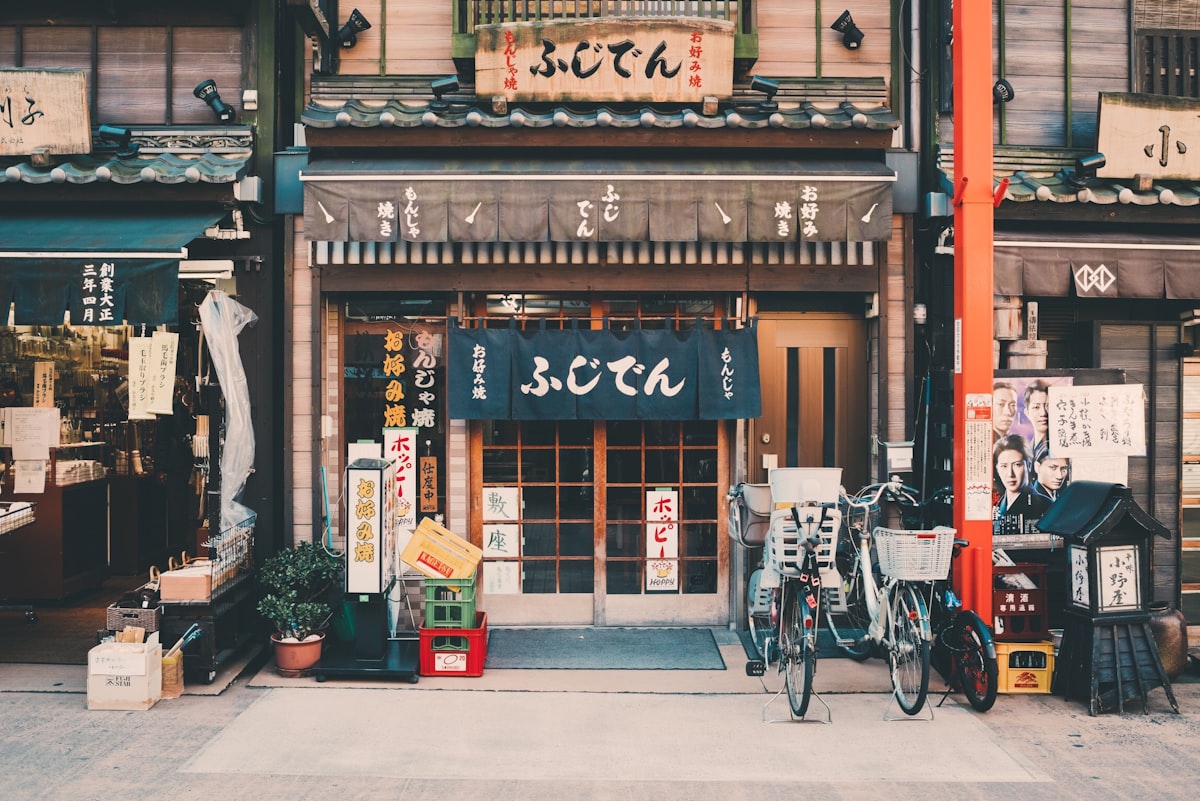
Tohoku — Japan’s northeast — is where tourism drops to near zero. The trains get emptier, the landscapes get wilder, and the people get warmer. Aizu-Wakamatsu and Yamagata are two of the most rewarding destinations in all of Japan, and you will likely have them almost entirely to yourself.
Aizu-Wakamatsu — The Last Samurai City
Tsuruga Castle (Aizu-Wakamatsu Castle)
This is one of the few castles in Japan with historical significance beyond architecture. In 1868, during the Boshin War, the Aizu samurai made their last stand here against the Meiji government forces. The White Tiger Brigade — a group of teenage samurai — famously chose death over surrender when they saw smoke rising from the direction of the castle.
The castle was reconstructed in 2011 with its original red roof tiles — the only red-roofed castle in Japan. The museum inside tells the story of the Aizu samurai with surprising emotional depth.
Bukeyashiki (Samurai Residence)
A reconstructed samurai compound that shows how Aizu warriors actually lived. The rooms are arranged with mannequins depicting daily life, tea ceremonies, and the preparation for battle. The attention to detail is remarkable.
Sake Breweries
Aizu produces some of Japan’s finest sake. The water from surrounding mountains is pristine and cold — perfect for brewing.
Recommended visit: Suehiro Sake Brewery offers free tours and tastings. You can try varieties not available anywhere else.
Ouchijuku — The Thatched-Roof Village
About 40 minutes by car from Aizu-Wakamatsu, this preserved Edo-period post town has a row of thatched-roof buildings that look unchanged from 300 years ago. The famous local dish is negi-soba — buckwheat noodles eaten with a whole spring onion used as chopsticks.
Yamagata — Mountains and Spirit
Yamadera (Mountain Temple)
The poet Basho visited this temple in 1689 and wrote one of Japan’s most famous haiku here. To reach the main hall, you climb 1,015 stone steps up the mountainside. The climb takes about 30 minutes, and the view from the top — looking out over the valley with nothing but mountains and silence — is extraordinary.
Best time: Early morning, before 9 AM. The mist in the valley below creates an ethereal atmosphere.
Ginzan Onsen
This tiny hot spring town in the mountains looks like it belongs in a Ghibli film. A narrow street lined with wooden ryokan buildings follows a river through a gorge. In winter, snow covers everything, and gas lamps light the street at night.
Important: Ginzan Onsen is very small. Day visitors can walk through and use the public baths, but staying overnight in one of the ryokan is the real experience. Book well in advance — there are fewer than 15 ryokan and they fill up months ahead.
Getting there: Bus from Oishida Station (40 minutes). Oishida is on the Yamagata Shinkansen line.
Zao Onsen and Snow Monsters
In winter (January-February), the trees on Mount Zao become completely encased in snow and ice, creating bizarre “snow monster” (juhyo) formations. You can see them from the ropeway. Zao Onsen village at the base has excellent hot springs with milky, sulfur-rich water.
Suggested 3-Day Itinerary
Day 1: Aizu-Wakamatsu
| Time | Activity |
|---|---|
| 10:00 | Arrive from Tokyo via Shinkansen + Ban’etsu West Line |
| 10:30 | Tsuruga Castle and museum |
| 12:30 | Lunch — Aizu ramen or sauce katsu-don |
| 14:00 | Bukeyashiki samurai residence |
| 15:30 | Suehiro Sake Brewery tour and tasting |
| 17:00 | Check into local ryokan |
Day 2: Ouchijuku + Yamadera
| Time | Activity |
|---|---|
| 8:30 | Day trip to Ouchijuku (car or bus) |
| 11:00 | Return and train to Yamagata (2 hours) |
| 14:00 | Climb Yamadera (1,015 steps) |
| 16:00 | Explore Yamagata city |
| 18:00 | Try Yamagata beef — rivals Kobe at half the price |
Day 3: Ginzan Onsen
| Time | Activity |
|---|---|
| 9:00 | Train to Oishida, bus to Ginzan Onsen |
| 11:00 | Walk the village, soak in public baths |
| 14:00 | Afternoon at ryokan (if staying overnight) |
| Or | Return to Tokyo via Yamagata Shinkansen |
Getting There
- Tokyo → Aizu-Wakamatsu: Tohoku Shinkansen to Koriyama, then Ban’etsu West Line (about 3 hours total)
- Aizu → Yamagata: JR Ban’etsu West Line to Koriyama, Shinkansen to Yamagata (about 2 hours)
- Yamagata → Ginzan Onsen: Yamagata Shinkansen to Oishida, then bus (about 1.5 hours total)
- Yamagata → Tokyo: Yamagata Shinkansen direct (about 2.5 hours)
JR Pass holders: All trains above are covered by the JR Pass.
Best Seasons
- Winter (January-February) — Snow at Ginzan Onsen and Zao snow monsters. Cold but magical
- Autumn (October-November) — Yamadera with autumn leaves is unforgettable
- Spring (April-May) — Cherry blossoms at Tsuruga Castle