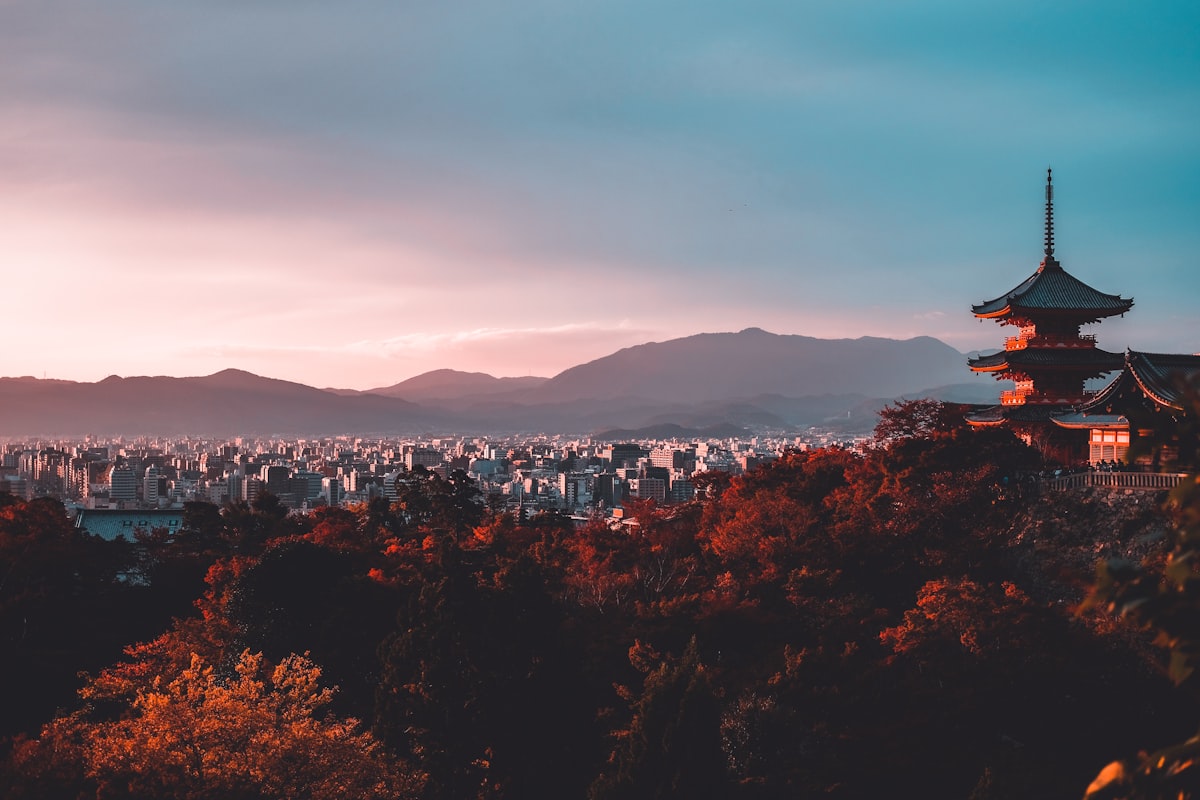
Kyoto was Japan’s capital for over 1,000 years. It has 17 UNESCO World Heritage sites, 2,000 temples, 400 shrines, and more cultural density per square kilometer than almost anywhere on earth. It is also overflowing with tourists who all visit the same 5 places at the same time. This guide helps you see the essential Kyoto while avoiding the worst crowds.
The 3-Day Plan
Day 1: Eastern Kyoto (Higashiyama)
Morning — Start Early (7:00-8:00)
Fushimi Inari Shrine (伏見稲荷大社) — FREE The famous tunnel of 10,000 red torii gates up a mountain. This is Japan’s most-visited shrine and it gets extremely crowded after 9:00. Arrive at 7:00 and you will have the gates nearly to yourself. The full hike takes 2-3 hours, but you can turn around at any point.
Access: JR Inari Station (2 minutes from Kyoto Station, covered by JR Pass)
Mid-Morning (10:00-12:00)
Kiyomizudera Temple (清水寺) — ¥400 The iconic temple on a hillside with a massive wooden stage overlooking the city. Built without a single nail. Walk through the Higashiyama streets leading up to the temple — lined with traditional shops, pottery, and snacks.
Walk from Kiyomizudera through:
- Sanneizaka & Nineizaka — Photogenic stone-paved slopes with traditional wooden buildings
- Yasaka Pagoda — The iconic five-story pagoda visible from the streets
Lunch: Gion District
Walk to Gion for lunch. Try:
- Yudofu (hot tofu) — Kyoto’s specialty, from ¥1,200
- Obanzai — Traditional Kyoto home cooking, small dishes, from ¥1,500
- Matcha parfait — Kyoto does matcha desserts better than anywhere
Afternoon (13:00-16:00)
Gion District (祇園) Kyoto’s geisha district. Walk along Hanami-koji street — the stone-paved road lined with wooden teahouses where geiko (Kyoto’s word for geisha) and maiko (apprentice geisha) occasionally walk between appointments.
Important: Do not chase, block, or grab geiko/maiko for photos. This has become such a problem that some streets now have photography bans.
Yasaka Shrine (八坂神社) — FREE At the end of Shijo-dori, this shrine is Gion’s centerpiece. Free to enter and beautiful at any time.
Maruyama Park (円山公園) — FREE Behind Yasaka Shrine. Kyoto’s most popular cherry blossom spot in spring, but beautiful year-round. The weeping cherry tree in the center is iconic.
Evening
Pontocho Alley (先斗町) A narrow alleyway along the Kamogawa River packed with restaurants. In summer (May-September), restaurants set up outdoor platforms (kawadoko/yuka) over the river. Dining on the river with lantern light is magical.
Day 2: Northwestern Kyoto
Morning (8:30-10:00)
Kinkaku-ji — Golden Pavilion (金閣寺) — ¥500 The gold-covered pavilion reflected in a mirror pond. It is exactly as spectacular as every photo suggests. Arrive when it opens at 9:00. The circuit path takes 30-40 minutes.
Mid-Morning (10:30-12:00)
Ryoan-ji Temple (龍安寺) — ¥500 Japan’s most famous Zen rock garden. Fifteen rocks arranged on white gravel — but from any viewing angle, you can only see 14. Sit on the wooden veranda and contemplate the garden. It is meant to be meditated upon, not photographed and left.
Walk or bus from Kinkaku-ji (15 minutes)
Lunch
Walk to Kitano Tenmangu Shrine area. On the 25th of each month, a huge flea market (tenjin-san) surrounds the shrine. Even without the market, the area has great local restaurants.
Afternoon (13:00-16:00)
Arashiyama Bamboo Grove (嵐山竹林) Towering bamboo stalks creating a green tunnel. Beautiful but very crowded between 10:00-15:00. The afternoon is slightly less packed. Walk through the grove to:
Tenryu-ji Temple (天龍寺) — ¥500 garden, ¥800 with buildings A UNESCO World Heritage Site with one of Kyoto’s finest landscape gardens. The garden was designed in the 14th century and has remained virtually unchanged.
Togetsukyo Bridge (渡月橋) The iconic bridge spanning the Oi River in Arashiyama. Beautiful in any season — cherry blossoms in spring, green mountains in summer, red maples in autumn.
Optional: Rent a bicycle in Arashiyama and ride along the river. Or take the scenic Sagano Romantic Train (¥880) through the valley.
Evening
Kyoto Station Area Return to Kyoto Station for dinner. The station building itself is architecturally impressive. The 10th floor has a restaurant street with everything from ramen to kaiseki. The Porta underground mall has more affordable options.
Day 3: Southern & Central Kyoto
Morning (8:00-10:00)
Tofuku-ji Temple (東福寺) — ¥500 Famous for autumn leaves, but stunning year-round. The Tsutenkyo bridge spanning a maple valley is the most photographed view. Less crowded than the Golden Pavilion.
Mid-Morning (10:30-12:00)
Nishiki Market (錦市場) “Kyoto’s Kitchen” — a 400-meter covered market street with over 100 shops. Sample:
- Dashimaki tamago — Kyoto-style rolled omelet, soft and dashi-flavored
- Tsukemono — Kyoto pickles (try shibazuke, the purple ones)
- Yuba — Tofu skin, a Kyoto delicacy
- Matcha soft serve — Multiple shops compete for the darkest, richest matcha
Access: Shijo Station, walk to Nishiki-koji Street
Lunch: Central Kyoto
Try a kissaten (traditional Japanese coffee shop) or one of the restaurants around Nishiki Market area.
Afternoon (13:00-16:00)
Choose one based on your interests:
Option A: Nijo Castle (二条城) — ¥1,300 The Tokugawa shogun’s Kyoto residence. The “nightingale floors” chirp when you walk on them — an intruder alarm system from the 1600s. Elaborate painted sliding doors inside.
Option B: Philosopher’s Path (哲学の道) A peaceful canal-side walking path in northern Higashiyama. Lined with cherry trees and small temples. The path connects Nanzenji Temple to Ginkaku-ji (Silver Pavilion). Walk the full 2km or visit the temples along the way.
Option C: Uji (宇治) — Day trip, 20 minutes from Kyoto The matcha capital of Japan. Visit Byodoin Temple (the temple on the ¥10 coin), walk along the Uji River, and drink the best matcha you will ever taste at Nakamura Tokichi or Tsuen Tea.
Beyond 3 Days
If you have more time:
- Katsura Imperial Villa — Japan’s finest example of traditional architecture. Requires advance reservation (free)
- Fushimi Sake District — Sake brewery tours south of Kyoto Station
- Kurama & Kibune — Mountain villages north of Kyoto with onsen and hiking
- Nara — 45 minutes from Kyoto. Friendly deer, Great Buddha, peaceful parks
Getting Around Kyoto
Buses
Kyoto’s bus system is extensive but can be confusing and crowded.
- Bus Day Pass: ¥700 — unlimited bus rides (worth it if you take 3+ buses)
- Pay when you exit — enter from the back, exit from the front
- Most useful routes: #100, #101, #205 connect major tourist sites
Trains
- JR Lines (covered by JR Pass): Kyoto Station to Inari, Arashiyama (Saga-Arashiyama)
- Hankyu Line: To Arashiyama (Hankyu-Arashiyama Station), Kawaramachi (central)
- Keihan Line: Along eastern Kyoto — Fushimi Inari, Gion, Demachiyanagi
Bicycle
Kyoto is flat and compact — perfect for cycling. Rental shops near Kyoto Station charge ¥800-1,500/day. Electric bicycles available for ¥1,500-2,000/day.
Walking
Central and eastern Kyoto are very walkable. Higashiyama (Day 1 route) is best explored entirely on foot.
Kyoto Food Specialties
| Food | Description | Price |
|---|---|---|
| Yudofu | Silken tofu simmered in kombu broth | ¥1,200-2,500 |
| Obanzai | Traditional Kyoto home cooking, multiple small plates | ¥1,500-3,000 |
| Kaiseki | Multi-course haute cuisine (Kyoto is the birthplace) | ¥8,000-30,000 |
| Matcha everything | Ice cream, parfait, latte, cake — Uji matcha is the best | ¥300-1,200 |
| Yatsuhashi | Cinnamon-flavored mochi triangles (classic Kyoto souvenir) | ¥500-1,000/box |
| Nishiki Market snacks | Dashimaki, tsukemono, yuba, street food | ¥200-500/item |
Common Mistakes
- Trying to see too many temples — Quality over quantity. 6-8 well-chosen temples over 3 days is plenty
- Visiting Fushimi Inari after 9:00 — It becomes a human traffic jam. Go at dawn
- Skipping Nishiki Market — It is touristy but the food is genuinely excellent
- Only eating near Kyoto Station — The best food is in Gion, Pontocho, and neighborhood restaurants
- Not walking Higashiyama — The streets between temples are as beautiful as the temples themselves
- Visiting in peak Golden Week or Obon — Kyoto becomes almost unbearably crowded