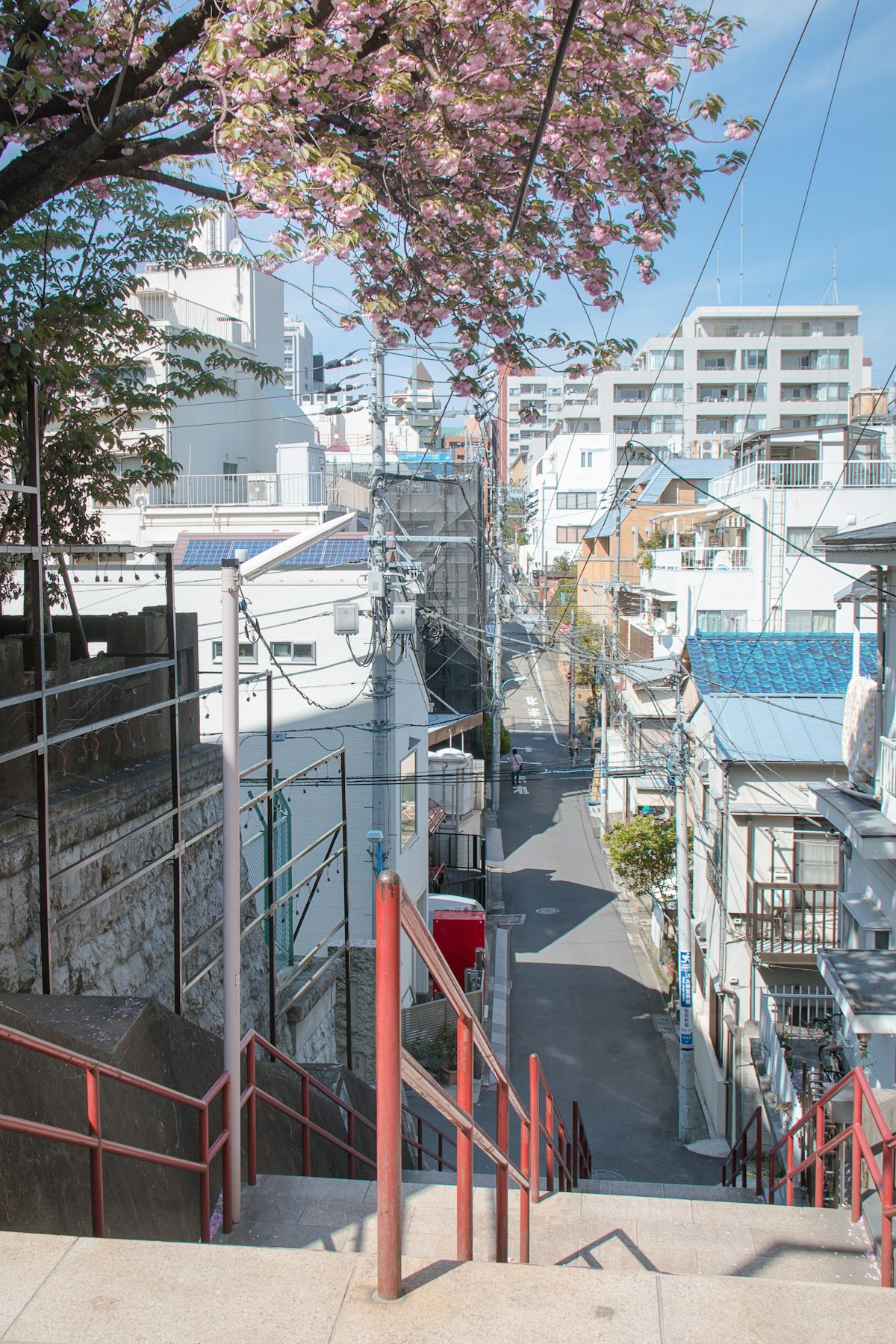
Japan is one of the world’s fashion capitals — but it operates completely independently from Paris, Milan, and New York. Japanese fashion ranges from avant-garde designers who deconstruct clothing to ¥990 Uniqlo basics that outperform luxury brands in quality. Understanding the landscape helps you find exactly what you want.
Japanese Fashion Brands Worth Knowing
Global Giants (Buy Cheaper in Japan)
Uniqlo (ユニクロ) Japan’s biggest fashion export. Basics with exceptional fabric technology (HeatTech, AIRism, Ultra Light Down). Prices are 20-40% cheaper in Japan than overseas. The Ginza flagship store is 12 floors.
- Must-buy: HeatTech innerwear, Ultra Light Down jacket, Supima Cotton T-shirts
- Collaboration lines (UT series) with artists and brands — Japan-exclusive designs
Muji (無印良品) “No brand, good products.” Minimalist clothing, homewares, and stationery. Known for natural fabrics, muted colors, and thoughtful design.
- Must-buy: Organic cotton shirts, linen clothing, travel organizers
- The Muji Hotel in Ginza is worth visiting for the aesthetic alone
Comme des Garçons (コム・デ・ギャルソン) Rei Kawakubo’s avant-garde empire. Multiple sub-labels from the accessible (CDG Play with the heart logo) to the radical (mainline). Dover Street Market Ginza is the flagship.
Issey Miyake (三宅一生) Famous for geometric pleating technology (Bao Bao bags, Pleats Please line). The Bao Bao geometric bags are iconic and make excellent souvenirs.
Japanese-Only Brands
Beams / United Arrows / Ships — Japan’s “select shop” trinity. Curated collections mixing their own designs with international brands. Higher quality than fast fashion, reasonable prices. Every major station area has at least one.
Visvim — Hiroki Nakamura’s premium Americana-meets-Japanese-craft brand. Extremely expensive but cult-followed worldwide. FIL flagship in Harajuku.
Kapital — Indigo-dyed, patchwork, Japanese folkwear reimagined. Ebisu flagship. Nothing else looks like Kapital.
Neighborhood — Tokyo streetwear institution. Military and motorcycle influences. Harajuku.
Undercover — Jun Takahashi’s punk-influenced high fashion. Dover Street Market and Harajuku.
Human Made — Nigo’s vintage Americana-inspired brand. Harajuku flagship.
Where to Shop by Style
Harajuku (原宿) — Youth & Street
- Takeshita Street — Fast fashion, accessories, trend-driven
- Cat Street (Ura-Harajuku) — Independent boutiques, streetwear, vintage
- Omotesando — Luxury flagships (Dior, Louis Vuitton) in architect-designed buildings
- Laforet Harajuku — Multi-floor fashion mall with indie Japanese brands
Shibuya (渋谷) — Trends & Department Stores
- Shibuya 109 — Iconic youth fashion building. Women’s fashion focused
- Shibuya Parco — Redesigned with fashion, art, and Nintendo Store
- Center-gai — Fast fashion and casual brands
Ginza (銀座) — Luxury & Flagship
- Uniqlo Ginza — 12-floor flagship
- Dover Street Market Ginza — Comme des Garçons multi-brand
- Ginza Six — Luxury shopping mall
- Mitsukoshi / Matsuya — Traditional department stores
Shimokitazawa (下北沢) — Vintage
Tokyo’s vintage capital. Dozens of second-hand clothing shops:
- Flamingo — Curated vintage with reasonable prices
- Ragla Magla — Multi-floor vintage clothing by category
- New York Joe Exchange — ¥700 vintage t-shirts to ¥5,000 curated pieces
- Weekend prices: ¥500-5,000 per item. Budget ¥10,000 for a full haul
Koenji (高円寺) — Thrift & Alternative
Cheaper and more eclectic than Shimokitazawa. Punk, bohemian, and genuinely weird fashion.
Nakameguro (中目黒) — Designer & Select Shops
Quiet, stylish neighborhood with independent boutiques and Japanese designer shops. Less crowded, more curated.
Kimono & Traditional Wear
Buying Kimono
New kimono are expensive (¥50,000-500,000+). Vintage kimono are affordable and beautiful:
- Tokyo Kimono Market — Regular flea markets with vintage kimono from ¥1,000
- Chicago (Harajuku) — Famous vintage clothing store with large kimono section
- Kyoto flea markets — Toji Temple (21st monthly), Kitano Tenmangu (25th monthly)
- Online: Kimono shops in Asakusa sell tourist-friendly kimono and yukata
Kimono Rental (着物レンタル)
Rent a kimono for a day of sightseeing:
- Kyoto: Dozens of rental shops near Kiyomizudera and Gion. ¥3,000-6,000 including dressing
- Tokyo: Asakusa has multiple rental shops. ¥3,000-5,000
- Kamakura: Several shops near the station. ¥3,000-5,000
- Includes: Kimono, obi sash, bag, sandals, and hair styling
Yukata (浴衣)
Summer kimono in cotton. Much more casual and affordable:
- Buy: ¥3,000-8,000 at Uniqlo, department stores, or specialty shops (summer only)
- Wear: Summer festivals, ryokan stays, onsen towns
- Souvenir value: Lightweight, packable, practical at home as a bathrobe
Workwear & Outdoor Brands
Japanese workwear and outdoor brands are globally respected:
- Snow Peak — Premium camping/outdoor gear. Japanese design aesthetic
- Montbell — Japan’s largest outdoor brand. Excellent quality, reasonable prices
- And Wander — Fashion-forward hiking wear
- Nanamica — Gore-Tex meets minimalist Japanese design
- Engineered Garments (Daiki Suzuki) — Designed in NY, deeply Japanese in spirit
Sneaker Culture
Tokyo is one of the world’s sneaker capitals:
- Atmos (Shibuya, Shinjuku) — Japan’s premier sneaker boutique
- ABC-Mart — Large chain with extensive stock at reasonable prices
- Nike Harajuku — Japan-exclusive colorways
- Onitsuka Tiger (Omotesando) — Japanese sneaker heritage brand. Japan-exclusive models significantly cheaper here
Japan-exclusive sneakers are a major draw for sneaker enthusiasts. Check release calendars on Atmos and SNKRS JP.
Fashion Tips for Tourists
- Japanese sizes run small — Size L in Japan ≈ Size M in the US/EU. Always try on
- Tax-free — Purchases over ¥5,000 at a single store are tax-free (10% savings). Passport required
- Basement floors of department stores = food. Upper floors = fashion. Top floors = restaurants
- Seasonal sales — January and July are major sale seasons. Discounts of 30-70%
- Lucky bags (福袋 — fukubukuro) — Mystery bags sold at New Year. ¥5,000-30,000 bags contain ¥20,000-100,000 worth of items. Lines form overnight