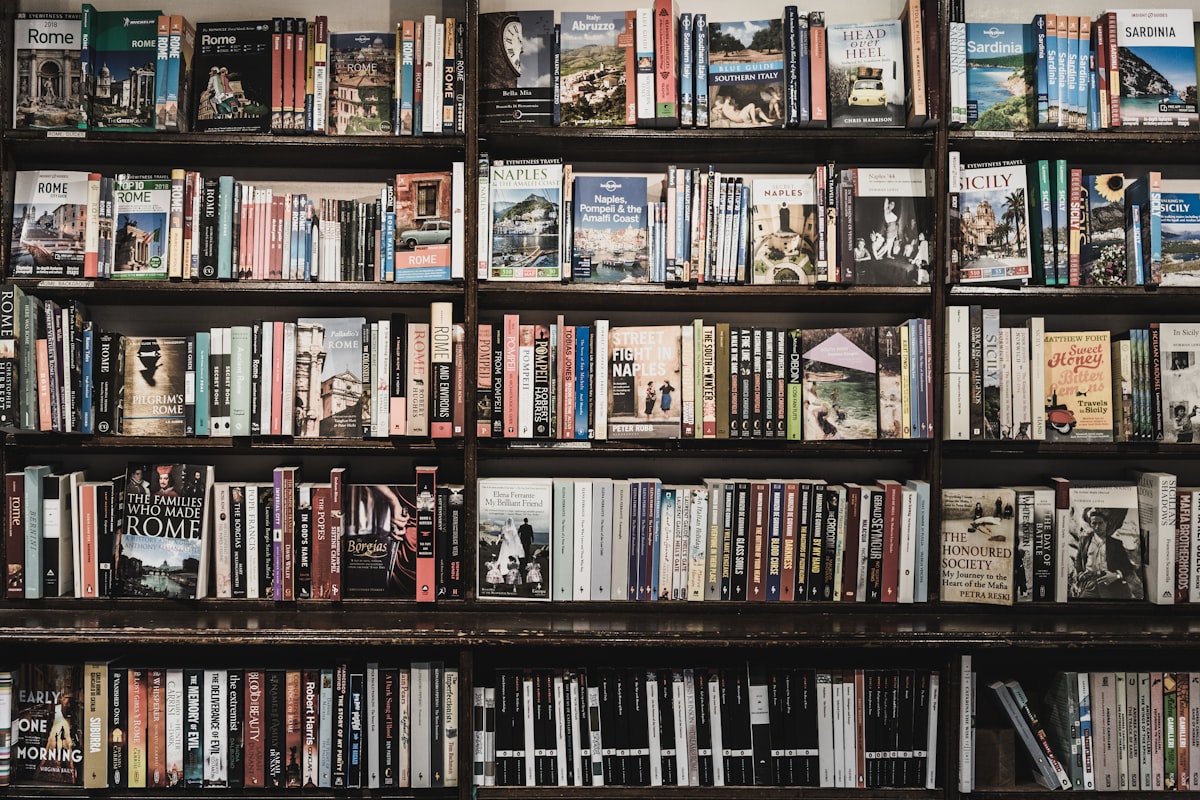
Japan is a nation of readers. Despite the digital age, physical bookstores thrive here in a way they do not anywhere else. From the world’s largest used bookstore district to design-forward bookstores that are architectural landmarks, Japan’s book culture is an experience worth seeking out — even if you cannot read Japanese.
The New Bookstores
Tsutaya Books Daikanyama (蔦屋書店 代官山)
The most beautiful bookstore in the world.
Three connected buildings wrapped in a lattice of illuminated T-shapes. Inside, books are organized by theme rather than genre — “Travel” includes novels set abroad, photography books, and travel guides side by side. A Starbucks occupies the center, and you are encouraged to sit and read before buying.
What to browse:
- Art and photography books (stunning Japanese editions)
- Design and architecture section
- Magazine lounge with international titles
- Vinyl records and music section
Hours: 7:00-23:00 (daily) Access: Daikanyama Station (Tokyu Toyoko Line), 5-minute walk Free: Entry is free. Buy a coffee and browse for hours
Kinokuniya (紀伊國屋書店)
Japan’s largest bookstore chain. The Shinjuku flagship is massive — multiple floors covering every genre. Has an excellent English-language floor with the best selection of English books in Japan.
Shinjuku Main Store:
- Floor 6: Foreign language books (English, French, Chinese, Korean)
- Extensive manga section with some English translations
- Stationery and art supplies
- Access: Shinjuku Station East Exit, 3-minute walk
Maruzen & Junkudo (丸善ジュンク堂)
Academic and professional bookstores with deep selections. The Maruzen Marunouchi store (near Tokyo Station) has a beautiful interior with a gallery space. The Junkudo Ikebukuro has one of the largest single-floor bookstores in Japan.
Village Vanguard (ヴィレッジヴァンガード)
“Exciting Book Store” — but really a pop culture emporium. Books mixed with toys, gadgets, snacks, and bizarre novelty items. Chaotic, fun, and uniquely Japanese. Stores in Shimokitazawa, Shibuya, and nationwide.
Jimbocho (神保町) — Book Town
The World’s Largest Used Bookstore District
Jimbocho has over 170 used bookstores concentrated in a few city blocks. Each shop specializes in specific genres — you can find stores dedicated entirely to:
- Ukiyo-e prints (woodblock art)
- Maps and cartography — Historical maps of Japan from the Edo period
- Photography — Vintage Japanese photography books
- Military history — WWII-era materials
- Cinema — Film posters, scripts, and memorabilia
- Art — Art books from every era and movement
- Manga — First editions and rare volumes
- Foreign language — English, French, German titles
- Music scores — Classical, jazz, and Japanese compositions
Must-Visit Jimbocho Shops
Ohya Shobo (大屋書房) Specializes in Edo-period woodblock prints (ukiyo-e). Genuine antique prints from ¥5,000 to ¥500,000+. Even browsing is an education in Japanese art.
Isseido (一誠堂) Founded in 1903. General used books across all subjects. Beautiful old building.
Kitazawa Bookstore (北沢書店) Foreign language books — English literature, academic texts, and art books.
Komiyama Tokyo (小宮山書店) Art, photography, and design books. One of the most curated collections in Jimbocho.
The Jimbocho Experience
- Walk the main street (Yasukuni-dori) and duck into shops that interest you
- Prices range from ¥100 for paperbacks to ¥100,000+ for rare first editions
- Atmosphere: Quiet, scholarly, unhurried. Shopkeepers are knowledgeable and patient
- Combine with: Curry lunch — Jimbocho is also famous for its old-school curry restaurants
Access: Jimbocho Station (Hanzomon, Mita, Shinjuku lines)
Book Off (ブックオフ) — Used Book Chain
What It Is
Japan’s largest chain of used books, media, and entertainment. Over 800 stores nationwide. Think of it as a clean, organized thrift store for media.
What You’ll Find
- Books: ¥110-500 for most titles. ¥110 section (the “hyaku-en” shelves) has thousands of books
- Manga: Complete series at incredible prices. 20-volume manga sets for ¥2,000-5,000
- CDs and DVDs: Japanese music, anime, and films from ¥300
- Games: Retro and current games at below-market prices
- Figures and toys: Second-hand anime figures, often in perfect condition
Related Chains
- Hard Off — Used electronics, musical instruments, audio equipment
- Off House — Used clothing, furniture, household items
- Hobby Off — Models, figures, collectibles
- Garage Off — Car parts and accessories
These “Off” chains often share buildings, creating a one-stop used goods experience.
Best Book Off Locations
- Book Off Super Bazaar stores are the largest format with the widest selection
- Shibuya and Shinjuku locations have the most manga and entertainment
- Suburban/roadside locations often have the best prices and hidden treasures
Manga-Specific Bookstores
Animate (アニメイト)
Japan’s largest anime/manga merchandise chain. New manga, light novels, character goods, and limited editions. The Ikebukuro flagship is the world’s largest.
Mandarake (まんだらけ)
Used manga paradise:
- Nakano Broadway — 30+ specialized Mandarake stores in one building
- Akihabara — Large multi-floor location
- Rare finds: First edition manga, vintage magazines, out-of-print titles
- Prices: ¥100 for common volumes to ¥100,000+ for rare first editions
Toranoana (とらのあな)
Specializes in doujinshi (self-published fan manga). The largest doujinshi retailer in Japan. Akihabara and Ikebukuro locations.
English Bookstores in Japan
Where to Find English Books
- Kinokuniya Shinjuku (6th floor) — Best English selection in Japan
- Maruzen Marunouchi — Good academic and fiction selection
- Tsutaya Roppongi — International magazines and coffee-table books
- Amazon Japan — English books delivered next day (Amazon.co.jp)
- Book Off — Occasional English titles in the foreign language section (¥110-300)
Unique Book Experiences
Book & Bed Tokyo
A hostel where you sleep in a bookshelf. Literally — sleeping pods are built into walls of books. Locations in Ikebukuro, Shinjuku, Asakusa, and Kyoto. Stay the night or visit the daytime café.
- Day visit: ¥1,500 (includes drink)
- Overnight: ¥4,500-7,000
Morioka Shoten (森岡書店)
A bookstore in Ginza that sells only one title at a time. Each week, a single book is selected and the entire tiny store is curated around it — related art, objects, and sometimes the author is present. A radical rethinking of what a bookstore can be.
Muji Books
Muji stores include curated book sections organized by lifestyle themes rather than traditional categories. Beautifully displayed with the Muji minimalist aesthetic.
Japanese Book Culture Facts
- Bunko (文庫) — Pocket-sized paperback editions of novels. ¥500-800. The standard format for reading on trains. Every commuter has one
- Light novels (ライトノベル) — Illustrated young adult novels. The origin of many anime adaptations
- Manga volumes — New volumes release weekly/monthly. Fans line up at midnight for popular series
- Book covers — Bookstores wrap your purchase in a paper book cover (ブックカバー) for free. This protects the book AND hides what you are reading on the train (privacy is valued)
- Reading in stores — Standing and reading (立ち読み — tachiyomi) is technically frowned upon but widely practiced, especially at convenience stores