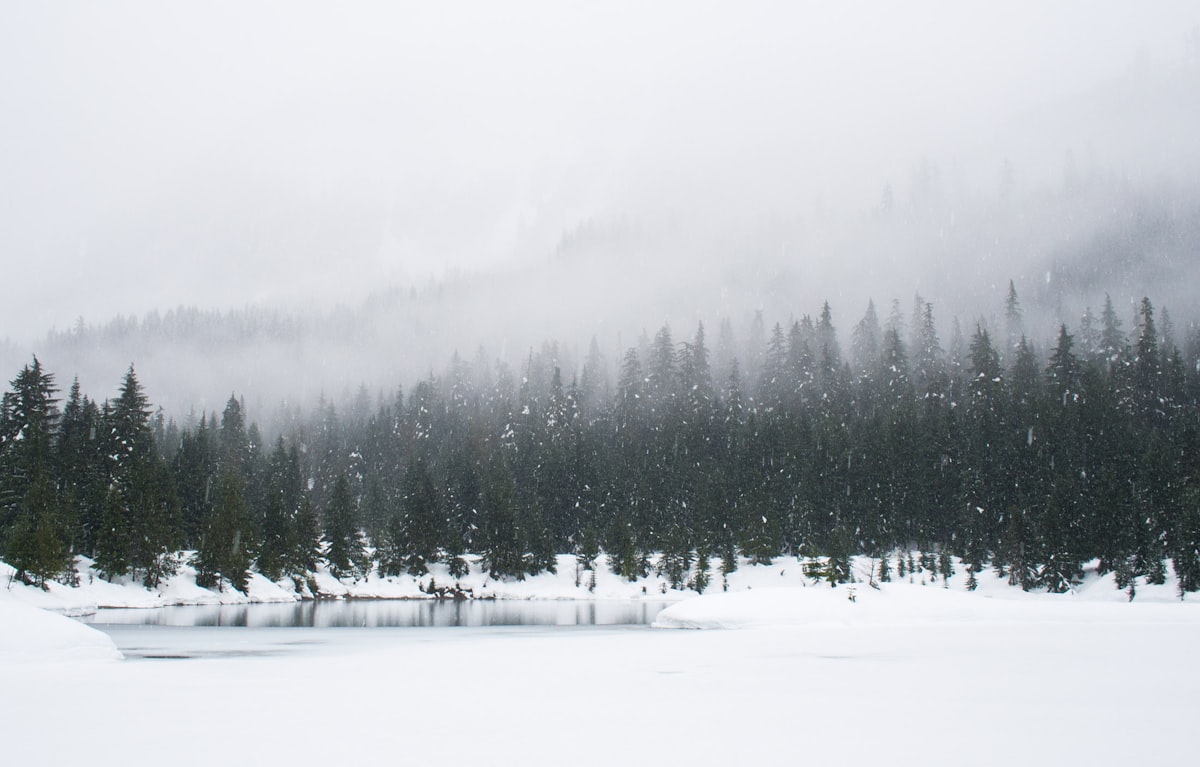
Hokkaido is Japan’s northern frontier — a vast island of volcanoes, hot springs, dairy farms, and landscapes that look nothing like the rest of the country. While many lines have been closed due to declining population, the railways that remain offer some of the most dramatic train journeys in all of Japan.
Getting to Hokkaido by Train
Shinkansen to Shin-Hakodate-Hokuto
The Hokkaido Shinkansen connects Tokyo to Shin-Hakodate-Hokuto through the 53.85km Seikan Tunnel — the world’s longest undersea tunnel.
| Route | Time | Cost |
|---|---|---|
| Tokyo → Shin-Hakodate-Hokuto | 4h 00min | ¥23,430 |
JR Pass: ✅ Covered. The extension to Sapporo is under construction (expected 2030).
From Shin-Hakodate-Hokuto, transfer to the Hokuto Limited Express to Sapporo (3.5 hours, covered by JR Pass).
The Best Hokkaido Train Journeys
1. Furano-Biei Norokko Train (富良野・美瑛ノロッコ号)
Route: Asahikawa → Furano Season: June-October (summer only) JR Pass: ✅ Covered
Open-window trolley cars through Hokkaido’s most famous landscape — the lavender fields of Furano and the patchwork hills of Biei. In July, the lavender is at peak bloom and the entire valley is purple and fragrant.
Must-see stops:
- Biei — Rolling hills with colorful flower fields, iconic trees (Mild Seven Hill, Christmas Tree, Ken & Mary Tree)
- Kami-Furano — Flower gardens (Flower Land Kamifurano, Farm Tomita)
- Nakafurano — Lavender fields right from the station platform
2. Senmo Line (釧網本線) — Wetlands & Frozen Sea
Route: Kushiro → Abashiri Time: About 3.5 hours JR Pass: ✅ Covered Best season: Winter (January-March)
One of Japan’s most dramatic seasonal railways. In winter:
- Kushiro Marshland: Japanese red-crowned cranes (tancho) visible from the train — one of the world’s rarest birds
- Frozen sea: The Sea of Okhotsk fills with drift ice. The train runs along the frozen coastline between Kitahama and Abashiri
Special train: The SL Fuyu no Shitsugen (SL Winter Wetland) steam locomotive runs on weekends in winter between Kushiro and Shibecha.
3. Ryuhyo Monogatari (流氷物語) — Drift Ice Train
Route: Abashiri → Shiretoko-Shari Season: January-March JR Pass: ✅ Covered
A special sightseeing train that runs along the Sea of Okhotsk during drift ice season. The train slows down at scenic points so you can photograph the frozen sea stretching to the horizon. On clear days, you can see all the way to Russia.
4. Hakodate Main Line — Ocean & Mountains
Route: Hakodate → Otaru → Sapporo Time: About 5.5 hours (local trains) JR Pass: ✅ Covered
The old main line following the coast and mountains. Between Oshamambe and Otaru, the train passes through dramatic volcanic landscapes, coastal cliffs, and fishing villages. The stretch near Otaru offers views of the Sea of Japan.
5. Soya Main Line (宗谷本線) — To Japan’s Northernmost Point
Route: Asahikawa → Wakkanai Time: About 5 hours (limited express) / 6+ hours (local) JR Pass: ✅ Covered
The journey to Japan’s northernmost station. The landscape becomes increasingly empty — vast grasslands, dairy farms, and eventually the wild coast of the Soya Strait. From Wakkanai, you can see Sakhalin (Russia) on clear days.
Wakkanai itself is wind-swept and remote. Take a bus to Cape Soya (宗谷岬) — the northernmost point of Japan, marked by a monument.
Hokkaido Railway Tips
Hokkaido Rail Pass
If exploring Hokkaido extensively, the Hokkaido Rail Pass offers better value than the national JR Pass:
| Duration | Price |
|---|---|
| 5 days | ¥20,000 |
| 7 days | ¥25,000 |
| 10 days | ¥28,000 |
| 4 flex days (in 10 days) | ¥23,000 |
Schedule Warning
Hokkaido train schedules are sparse. Many lines have only 3-6 trains per day. Always check timetables before planning, and have a backup plan. Missing a train might mean waiting 4 hours for the next one.
Winter Travel
- Trains in Hokkaido are heated but platforms are not — dress warmly
- Delays and cancellations due to snow are common in January-February
- The experience of riding through a snowstorm is worth the risk
- Station waiting rooms (駅待合室) are heated shelters
Wildlife from the Train
Hokkaido railways pass through genuine wilderness:
- Red-crowned cranes — Kushiro Marshland (winter)
- Deer — Everywhere, especially Shiretoko and Daisetsuzan areas
- Red foxes — Common along rural lines
- Bears — Occasionally spotted from trains (don’t get off to photograph them)
The Spirit of Hokkaido Railways
Hokkaido’s railways are disappearing. Low population and high maintenance costs (snow, cold) mean JR Hokkaido loses money on nearly every line. Several lines have been closed in recent years, and more closures are planned.
Riding these trains now is not just tourism — it is witnessing a disappearing way of life. Empty stations, single-car trains, and conductors who know every passenger by name. If these routes interest you, ride them soon. They may not exist forever.